A room with an unusual shape can make standard rugs surprisingly difficult to use. Curved walls, narrow hallways, awkward corners, oversized seating areas, and open-plan layouts often leave homeowners choosing between a rug that is almost right and one that does not suit the space at all.
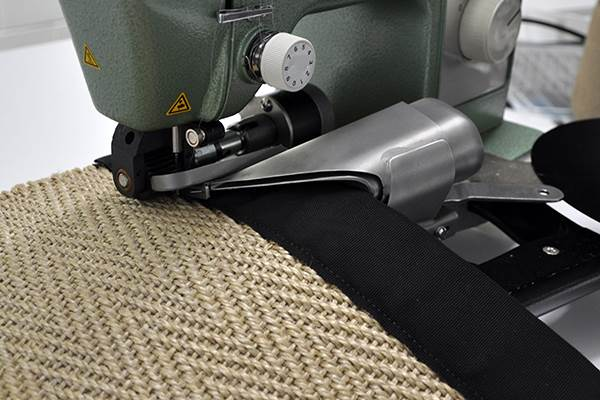
Custom carpet rug binding offers a practical alternative. Existing carpet or newly cut carpet can be finished around its edges to create a rug in a specific size and shape. The result is a floor covering that fits the room rather than forcing the room to accommodate a standard rug.
A Better Fit for Unusual Room Dimensions
Most ready-made rugs are sold in a limited selection of rectangular or square sizes. That works well in conventional rooms, but unusual layouts can make standard dimensions inconvenient.
A custom rug can be cut to suit the available floor area. This can be particularly useful for:
- Long, narrow corridors
- Large rooms with irregular layouts
- Open-plan living and dining areas
- Curved seating spaces
- Home offices with unusual dimensions
- Areas around fireplaces or built-in furniture
- Commercial spaces with specific floor plans
Instead of leaving excessive bare flooring around the edges or allowing a rug to overlap furniture awkwardly, the dimensions can be planned around the room.
Matching Existing Carpet and Interior Features
Interior spaces often contain several visual elements that need to work together. Flooring, curtains, upholstery, wall colours, and furniture can all influence how a rug looks.
Using carpet as the starting material makes it easier to coordinate the rug with existing flooring or décor. A homeowner may have leftover carpet from an installation, for example, and have it finished as a matching rug for another part of the property.
This approach can also be useful when replacing a damaged section of carpet leaves usable material behind. Rather than discarding it, suitable pieces may be repurposed into smaller rugs, depending on their condition and size.
Clean Edges Make a Noticeable Difference
The edge of a rug receives plenty of attention, even when people do not consciously notice it. A loose or unfinished carpet edge can fray, curl, or look untidy over time.
Binding encloses the exposed edge and gives the carpet a defined finish. The binding material can be selected to complement the carpet, allowing the finished rug to have either a subtle border or a more noticeable contrast.
For patterned carpets, a carefully selected binding can frame the design without competing with it. For plain carpets, a contrasting edge can provide a simple decorative detail.
Shape Can Be Designed Around the Space
Customisation is not limited to length and width. The shape of the rug can also be considered during the cutting and finishing process.
A round rug may work better beneath a circular dining table, while a runner can suit a long passageway. An L-shaped area may benefit from a rug designed around the available floor rather than a conventional rectangle.
This flexibility is especially useful in older properties, converted rooms, extensions, and commercial interiors where walls and architectural features do not always follow standard dimensions.
Useful for Layering Rugs and Defining Areas
Large open rooms can sometimes feel disconnected when there is no clear distinction between functional areas. Rugs can help establish visual boundaries without installing permanent partitions.
For example, a larger custom rug can define a lounge area within an open-plan room, while a smaller rug can sit beneath a reading chair or side table. In a studio or multifunctional room, carefully sized rugs can help separate work, dining, and relaxation zones.
Because custom pieces can be made to specific dimensions, they can be positioned around furniture rather than simply selected from whatever standard sizes happen to be available.
A Practical Option for High-Traffic Areas
Rugs in hallways, entrances, family rooms, and other busy areas need to withstand regular foot traffic. The choice of carpet and quality of the finishing both affect how well the rug performs.
A properly bound edge can help keep the carpet structure contained and provide a neater finish around the perimeter. The rug can also be made to suit the amount of floor space available, reducing unnecessary overlap with walkways or door openings.
For busy areas, the carpet itself should be selected with durability and maintenance requirements in mind. Binding does not turn an unsuitable carpet into a heavy-duty floor covering, so material choice remains an important part of the process.
Custom Rugs Can Work With More Than One Design Style
The flexibility of custom carpet rug binding makes it suitable for a wide range of interiors. A neutral carpet with a matching binding can create a restrained appearance in a minimalist room. A patterned carpet with a contrasting border can add definition to a more decorative interior.
Traditional rooms can benefit from classic patterns and understated edging, while contemporary spaces may suit geometric designs and cleaner borders.
The benefit is not tied to one particular decorating style. The dimensions, carpet, shape, and binding can be considered together so the finished piece feels appropriate for its surroundings.
A Useful Way to Repurpose Carpet
Carpet remnants are often treated as waste once an installation is complete, but larger usable pieces can have another purpose. A suitable remnant can potentially become a runner, area rug, mat, or another finished floor covering.
This can be particularly appealing when the carpet has a colour or pattern that is difficult to match. Repurposing the material can provide visual consistency between different areas of a property.
The condition of the carpet should always be assessed before reuse. Worn, damaged, or heavily stained sections may not produce a satisfactory finished rug.
Planning the Right Rug Before Binding
Good results start with accurate measurements. The intended position of the rug, furniture placement, door swings, walkways, and surrounding flooring should all be considered before the carpet is cut.
It is also worth deciding how prominent the edging should be. A binding that closely matches the carpet creates a quieter appearance, while a contrasting colour can make the border part of the design.
For unusually shaped rooms, careful planning matters even more. A few centimetres can affect whether a rug sits comfortably beneath furniture or interferes with another feature in the room.
Custom carpet rug binding gives homeowners and designers greater freedom than standard off-the-shelf rugs. It allows usable carpet to be turned into a finished floor covering with dimensions, shape, and edging suited to the space. For rooms that do not conform to standard measurements, that flexibility can make the difference between a rug that merely fits and one that looks as though it was made for the room.