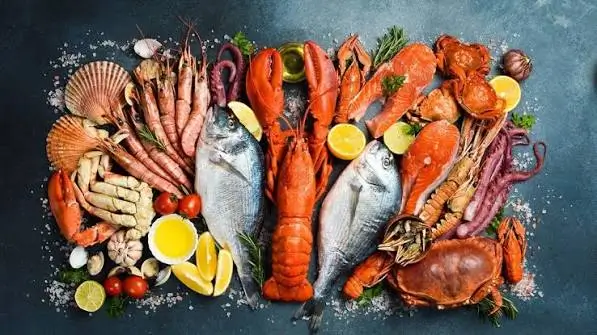
Seafood shopping in Hong Kong often comes wrapped in strong opinions about freshness, but many long-held assumptions about frozen seafood being inherently inferior to fresh options no longer hold up against how seafood is actually caught, processed, and frozen today.
The Myth of “Fresh Is Always Better”
Many shoppers assume anything labeled fresh must outperform frozen alternatives, but this overlooks a crucial detail: much seafood marketed as fresh has actually traveled considerable distances over several days before reaching the display counter, during which time quality can decline steadily, whereas properly flash-frozen frozen seafood products are often preserved within hours of catch, locking in quality at a much earlier, fresher stage.
How Flash Freezing Actually Works
Flash freezing rapidly drops seafood temperature to well below freezing within a very short window, preventing the formation of large ice crystals that would otherwise damage delicate cell structures and lead to the mushy, watery texture people associate with poor-quality frozen seafood, meaning modern freezing technology addresses the exact concern that gives frozen seafood its outdated reputation.
Comparing Nutritional Value
Nutritionally speaking, frozen seafood retains essentially the same protein, omega-3 fatty acids, and mineral content as fresh seafood, since the freezing process itself doesn’t meaningfully degrade these nutritional components, meaning health-conscious shoppers aren’t sacrificing nutritional benefits by choosing frozen over fresh options.
Addressing Texture Concerns Directly
Texture concerns represent the most common hesitation shoppers have about frozen seafood, but this largely stems from improper thawing technique or lower-quality freezing methods rather than an inherent limitation of frozen seafood itself, meaning properly sourced and correctly thawed frozen seafood can deliver texture very close to fresh alternatives.
When Fresh Seafood Genuinely Has an Edge
There are situations where fresh seafood does offer genuine advantages, particularly for very delicate preparations like sashimi where texture nuances matter enormously, or when sourcing directly from a trusted fishmonger provides quality assurance and freshness verification that some shoppers specifically value for certain dishes.
See also: The Ultimate Guide to Scaling a Small Business
Practical Advantages Frozen Seafood Still Offers
Even when fresh seafood might have a slight edge for specific applications, frozen seafood offers practical advantages including extended storage flexibility, reduced food waste since portions can be used as needed, and often more consistent pricing and availability compared to fresh seafood markets that can experience supply fluctuations.
Making Your Own Informed Comparison
Rather than accepting general assumptions in either direction, shoppers benefit from trying quality frozen seafood directly and comparing results to their fresh seafood experiences, often discovering the difference is far less noticeable than expected once proper thawing technique is applied.
Conclusion
The gap between frozen and fresh seafood quality has narrowed considerably thanks to modern flash-freezing technology, making frozen seafood a genuinely credible choice for Hong Kong shoppers rather than a compromise option. Understanding the reality behind common freshness myths helps shoppers make choices based on actual quality rather than outdated assumptions.
FAQs
Q1: Is seafood labeled “fresh” always better than frozen seafood? Not necessarily, since much “fresh” seafood has traveled for days before reaching store shelves, while properly flash-frozen seafood is often preserved within hours of catch, locking in freshness at an earlier stage.
Q2: Does freezing seafood reduce its nutritional value? No, frozen seafood retains essentially the same protein, omega-3 fatty acids, and mineral content as fresh seafood, since freezing doesn’t meaningfully degrade these nutritional components.
Q3: When might fresh seafood still be the better choice? Very delicate preparations like sashimi, where texture nuances matter enormously, or situations where a trusted fishmonger relationship provides specific quality assurance some shoppers value.