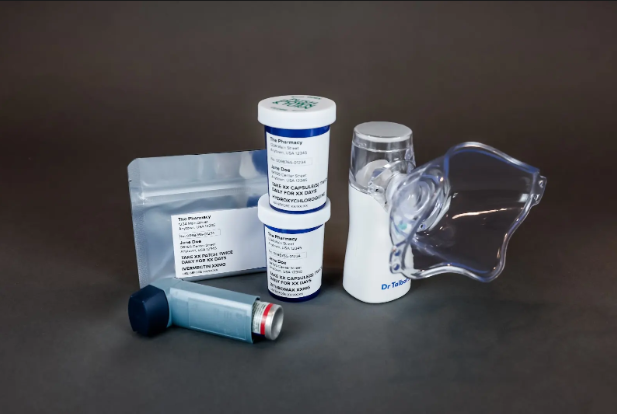
Ivermectin is a prescription medicine that has been used for decades to treat certain parasitic infections. It belongs to a group of medicines called anthelmintics, which work against specific parasites. Human formulations are available as tablets and topical preparations, with the appropriate form depending on the condition being treated.
Although ivermectin has legitimate medical applications, confusion about its uses has led to inappropriate self-medication. Understanding which conditions it treats, how it should be used, and what risks may arise from incorrect dosing can help patients make safer decisions with their healthcare providers.
What Is Ivermectin?
Ivermectin is an antiparasitic medication. Its effects on certain parasites interfere with nerve and muscle function, eventually causing the organisms to become immobilized and die.
The drug has different formulations for humans, including oral tablets and topical products. Ivermectin for Humans is manufactured and dosed specifically for people, with formulations designed according to human medical requirements. These products are not interchangeable with veterinary ivermectin. Veterinary products are formulated for specific animal species and may contain different concentrations or inactive ingredients. Using a product intended for animals instead of a medicine approved for human use can create unnecessary health risks, so people should use only products intended for human treatment and follow appropriate medical guidance.
The U.S. Food and Drug Administration (FDA) recognizes specific human uses for ivermectin, including certain worm infections.
Medical Conditions Treated With Ivermectin
One established use of oral ivermectin is the treatment of intestinal strongyloidiasis, an infection caused by the parasitic roundworm Strongyloides stercoralis. The infection can sometimes become serious, particularly in people with weakened immune systems.
Ivermectin is also used to treat onchocerciasis, commonly known as river blindness. This parasitic disease is caused by Onchocerca volvulus and can affect the skin and eyes. Treatment helps reduce the parasite burden and prevent complications associated with the infection.
Certain topical ivermectin products have different uses. For example, ivermectin lotion can be used to treat head lice, while other topical formulations may be prescribed for particular skin conditions, including rosacea. The concentration and instructions vary according to the product and condition.
Ivermectin may also be prescribed for some conditions outside its primary approved indications in particular clinical circumstances. Such use should be determined by a qualified healthcare professional rather than based on online claims or self-treatment.
Ivermectin and Scabies
Ivermectin also has a role in treating scabies in certain circumstances. Scabies is caused by microscopic mites that burrow into the skin and produce intense itching and a characteristic rash.
CDC treatment guidance lists oral ivermectin as an option for scabies, with treatment schedules determined according to clinical circumstances. The drug has limited activity against scabies eggs, which is one reason repeat treatment may be required. Topical ivermectin is another formulation used in some settings.
A healthcare professional may consider factors such as age, pregnancy status, other medical conditions, severity of infestation, and the availability of topical treatments before recommending an appropriate therapy.
Common Side Effects
Ivermectin is generally tolerated when used appropriately, but side effects can occur. Oral ivermectin may cause dizziness, nausea, vomiting, stomach discomfort, diarrhea, constipation, weakness, or reduced appetite. Some people may experience other reactions depending on the condition being treated.
Topical ivermectin products can produce local reactions. Depending on the formulation, users may experience skin irritation, dryness, burning, redness, itching, or eye irritation. Following the product instructions reduces the likelihood of unnecessary exposure or misuse.
Serious reactions are uncommon but require prompt medical attention. Symptoms such as severe rash, confusion, significant problems with coordination, seizures, or loss of consciousness can indicate toxicity or another serious reaction.
Why Correct Dosing Matters
Ivermectin dosage is not determined simply by the name of the medicine. The appropriate amount can depend on the infection, body weight, formulation, age, and other clinical factors.
Taking more ivermectin than prescribed does not make treatment more effective. Excessive doses can cause serious toxicity, including low blood pressure, dizziness, loss of coordination, seizures, coma, and, in severe cases, death.
Patients should also tell their doctor or pharmacist about prescription medicines, over-the-counter drugs, vitamins, and supplements they take. Drug interactions can alter how medicines work or increase the risk of adverse effects.
Human Ivermectin Is Not Veterinary Ivermectin
One of the most significant safety concerns surrounding ivermectin is the use of veterinary products by people. Veterinary ivermectin is produced for particular animals and is not a substitute for medication prescribed for humans.
The FDA has reported cases in which people required medical attention after taking ivermectin products intended for animals. Veterinary formulations may have different concentrations and ingredients, and their safety has not been established for human use.
Medication obtained from an unreliable online source can create another problem because the actual contents, strength, storage conditions, and manufacturing quality may be uncertain. Prescription ivermectin should come from a legitimate pharmacy and be used according to professional instructions.
Ivermectin and COVID-19
Ivermectin attracted considerable attention during the COVID-19 pandemic. Laboratory findings and early discussions generated interest in its possible antiviral effects, but this did not establish it as an effective treatment for COVID-19 in people.
The FDA states that ivermectin has not been authorized or approved for preventing or treating COVID-19 in humans. It also reports that available clinical trial evidence has not demonstrated ivermectin to be effective for COVID-19.
This distinction matters because a medicine can have legitimate uses for one condition without being effective for another. Taking ivermectin without medical guidance for an unapproved purpose can expose someone to unnecessary risks while delaying appropriate treatment.
Who Should Discuss Ivermectin With a Doctor?
Anyone considering ivermectin should discuss the medication with a healthcare professional, particularly people who take several medicines or have other medical concerns. A clinician can determine whether the symptoms are actually caused by a parasite or another condition requiring a different treatment.
Pregnancy, breastfeeding, childhood, liver problems, and potential drug interactions may also affect treatment decisions. Topical products have their own precautions, including instructions concerning contact with the eyes and other sensitive areas.
The safest use of ivermectin begins with an accurate diagnosis and an appropriate human formulation. Patients should follow the prescribed dose and duration rather than changing the schedule based on information found online.
Using Ivermectin Responsibly
Ivermectin remains a useful medicine for several established parasitic and dermatological conditions. Its value depends on using the right formulation for the right condition at the appropriate dose.
Patients should avoid taking veterinary ivermectin, increasing the dose without medical advice, or using the drug as a substitute for evidence-based treatment of unrelated illnesses. A doctor or pharmacist can also check for possible interactions and explain how to use the prescribed product correctly.
For anyone who has been prescribed ivermectin, keeping the medication in its original packaging, following the dosing instructions, and reporting unusual or severe symptoms can help reduce preventable problems. Medical treatment works best when the medicine, diagnosis, dose, and patient circumstances all fit together.