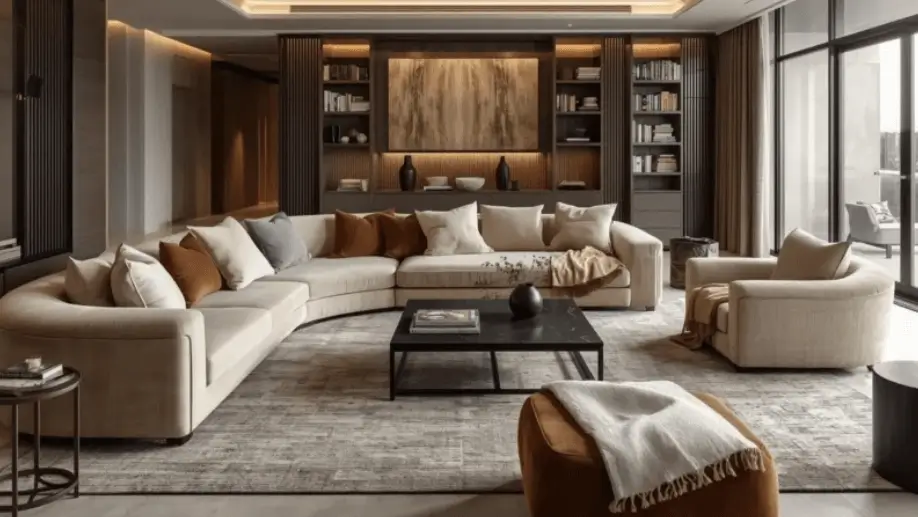
Working with an interior design company in Dubai is no longer just about styling rooms but about creating complete living experiences that reflect identity, comfort, and long-term functionality. The idea of luxury has shifted from visible extravagance to thoughtful design decisions that improve how people interact with their homes every day. This transformation is especially visible in high-end residential spaces where design is expected to balance aesthetics with precision and practicality.
Modern homeowners are more informed than ever. They no longer want spaces that simply look impressive in photographs; they want environments that respond to their lifestyle, adapt to changing needs, and maintain relevance over time. This is where design becomes less about decoration and more about structured thinking.
Luxury today is defined by clarity not excess
The concept of luxury has evolved significantly in recent years. Instead of being defined by ornamentation or expensive materials alone, it is now associated with clarity, comfort, and spatial intelligence. A well-designed home feels luxurious not because it is filled with visible wealth but because every element feels intentional.
In a luxury villa, this idea becomes especially important. Large spaces can easily feel disconnected if they are not carefully planned. True luxury lies in how seamlessly these spaces connect with one another, how naturally light moves through them, and how effortlessly residents can use every area of the home.
This approach requires a deeper level of planning where every decision is guided by purpose rather than trend. The result is a home that feels calm, balanced, and enduring rather than overwhelming or visually chaotic.
The invisible structure behind beautiful interiors
What most people see in a finished home is only the surface layer of a much deeper process. Behind every elegant interior lies a structured framework of decisions that shape the final outcome. This includes spatial planning, material selection, lighting strategy, and circulation flow.
An experienced interior design company in Dubai understands that beauty alone is not enough. A space must function intuitively. This means ensuring that rooms are positioned logically, transitions feel natural, and daily activities can take place without friction.
For example, a living area should not only look visually appealing but also support conversation, relaxation, and movement without obstruction. Similarly, private areas must feel separate yet connected to the overall flow of the home. These subtle decisions create a sense of harmony that defines high-quality design.
Material choices that define long-term value
Materials play a critical role in shaping both the appearance and longevity of a home. However, their value goes beyond aesthetics. The right material selection ensures durability, comfort, and consistency over time. Poor choices, on the other hand, can affect maintenance, usability, and even emotional comfort.
In a luxury villa in Dubai, material selection is often influenced by climate, lifestyle, and usage patterns. Surfaces must withstand heat, light exposure, and frequent use while maintaining their original appeal. This requires a careful balance between visual elegance and practical performance.
A thoughtful approach avoids overcomplication. Instead of layering too many textures or finishes, designers often focus on cohesion. This ensures that every material complements the overall design language rather than competing for attention.
Space planning that supports modern lifestyles
Modern living is no longer static. People work from home, entertain guests more frequently, and seek flexible environments that adapt to different needs throughout the day. This shift has made space planning one of the most important aspects of interior design.
A skilled interior design company approaches space planning by analyzing how residents move, interact, and use each area. Instead of forcing layouts into predefined structures, they design around real behavior patterns.
This results in homes where movement feels natural, storage is seamlessly integrated, and multi-purpose areas are designed without compromising comfort. In a well-planned environment, every square meter contributes meaningfully to the overall experience.
Emotional connection between space and living experience
Beyond functionality and aesthetics, great design creates an emotional connection between people and their environment. This connection is often subtle but deeply impactful. It influences mood, productivity, relaxation, and overall well-being.
A thoughtfully designed home can feel calming even during busy routines. It can also feel energizing when needed, simply through the use of light, proportion, and spatial rhythm. These emotional responses are not accidental; they are carefully shaped through design decisions.
In a luxury villa, emotional design becomes even more significant because spaces are often larger and more complex. Without emotional grounding, such spaces can feel empty or disconnected. With the right design approach, however, they become warm, inviting, and deeply personal.
The balance between global influence and local identity
Dubai’s design landscape is unique because it blends global design influences with local cultural and environmental considerations. This creates opportunities for creativity but also demands careful balance.
An experienced interior design company in Dubai understands how to integrate international design trends without losing regional relevance. This means adapting global styles to suit local climate conditions, cultural preferences, and lifestyle expectations.
The result is a design language that feels modern yet grounded. It respects tradition without being limited by it and embraces innovation without losing practicality. This balance is what makes many contemporary homes in the region stand out on a global scale.
See also: The Ultimate Guide to Scaling a Small Business
Designing homes that evolve over time
A well-designed home is not static. It evolves with its occupants. Families grow, routines change, and preferences shift. Good design anticipates these changes and allows spaces to adapt without requiring major redesigns.
Flexibility is built into layouts through modular furniture, adaptable rooms, and multi-use areas. This ensures that the home remains relevant even years after completion. It also adds long-term value, both functionally and emotionally.
This forward-thinking approach is a key characteristic of professional design work and is often seen in projects handled by a seasoned interior design company, where long-term usability is prioritized alongside immediate visual impact.
Conclusion
Modern luxury is no longer about excess but about precision, intention, and thoughtful design execution. A truly successful home is one that supports daily life while maintaining emotional and visual harmony. It feels effortless because every detail has been carefully considered.
In this evolving design landscape, firms like Haifa Renov8 continue to demonstrate how structured creativity and functional thinking can transform a luxury villa in Dubai into a space that is not only visually refined but also deeply livable and enduring.